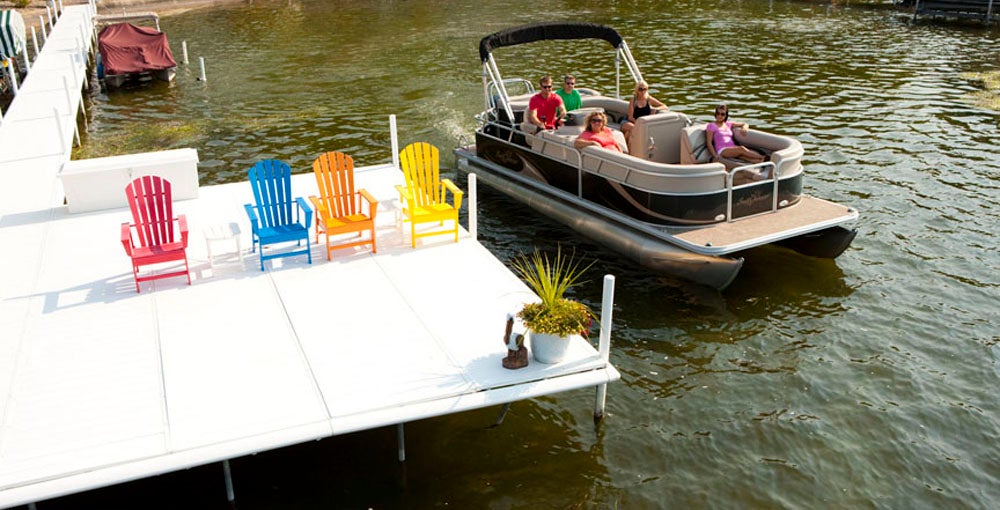
When Docking Your Boat You Will Have More Control If The Wind Is Coming
From Which Direction
When Docking Your Boat You Will Have More Control If The Wind Is Coming From Which Direction. The moving air will then blow you away from the dock, and likely turn the boat. If possible, approach the dock with the wind into your face:
4 Rules on How To Dock Your Boat Like A Pro from www.boatguide.com
You'll have more control that way! If there is no wind or current: Docking with the wind at your back.
When Thinking About Docking Into The Wind, Consider The Concept Of Throwing Your Boat At The Dock, Using A Spinning Motion To Skid And Slide The Vessel Into Its Slip, Against The Wind.
Going into neutral allows the boat to stop exhibiting prop walk while still moving in the direction you were going the moment you slipped out of reverse. While a limp burgee can mean no wind it can also mean that the wind is coming from behind. This will ensure you have a reasonable amount of control over the boat.
One Thing Is For Certain…Eventually, You Will Need To Slow Down And Put The Boat Broadside To The Wind.
Not only do you have to keep the speed at a minimum, but you also must make sure that there are no sudden bursts of power. Put the boat in forward gear briefly, and slowly turn the steering wheel hard away from the dock—this will swing in the stern. Approach the dock at a shallow angle of about 10 to 20 degrees, stop the boat and allow the wind to drift you into the dock.
You Can Bring Your Boat In Parallel To The Dock With The Wind Behind You.
You generate the “throw” by (i) taking a little run at it, and/or ( ii) by giving a firm but gentle surge of power as you begin your final turn. The wind will blow the boat in. Docking with wind or current away from the dock approach the dock slowly at a sharp angle (about 40 degrees).
Just Being Aware Of Which Way The Current Is Going Will Help You When Approaching The Dock.
When docking your boat you will have more control if the wind is coming from which direction? That direction is helpful but obvious. A slower speed will give you more control, and therefore it is safer.
If The Wind Is Onshore (Blowing Toward The Dock), The Boat Is Brought To A Position Parallel To The Dock And About Two Feet Off.
Current can also effect your docking in a similar fashion to wind, and in some areas can preclude you from docking at all in low water. Use reverse to stop when close to the dock. If there is no wind or current: